

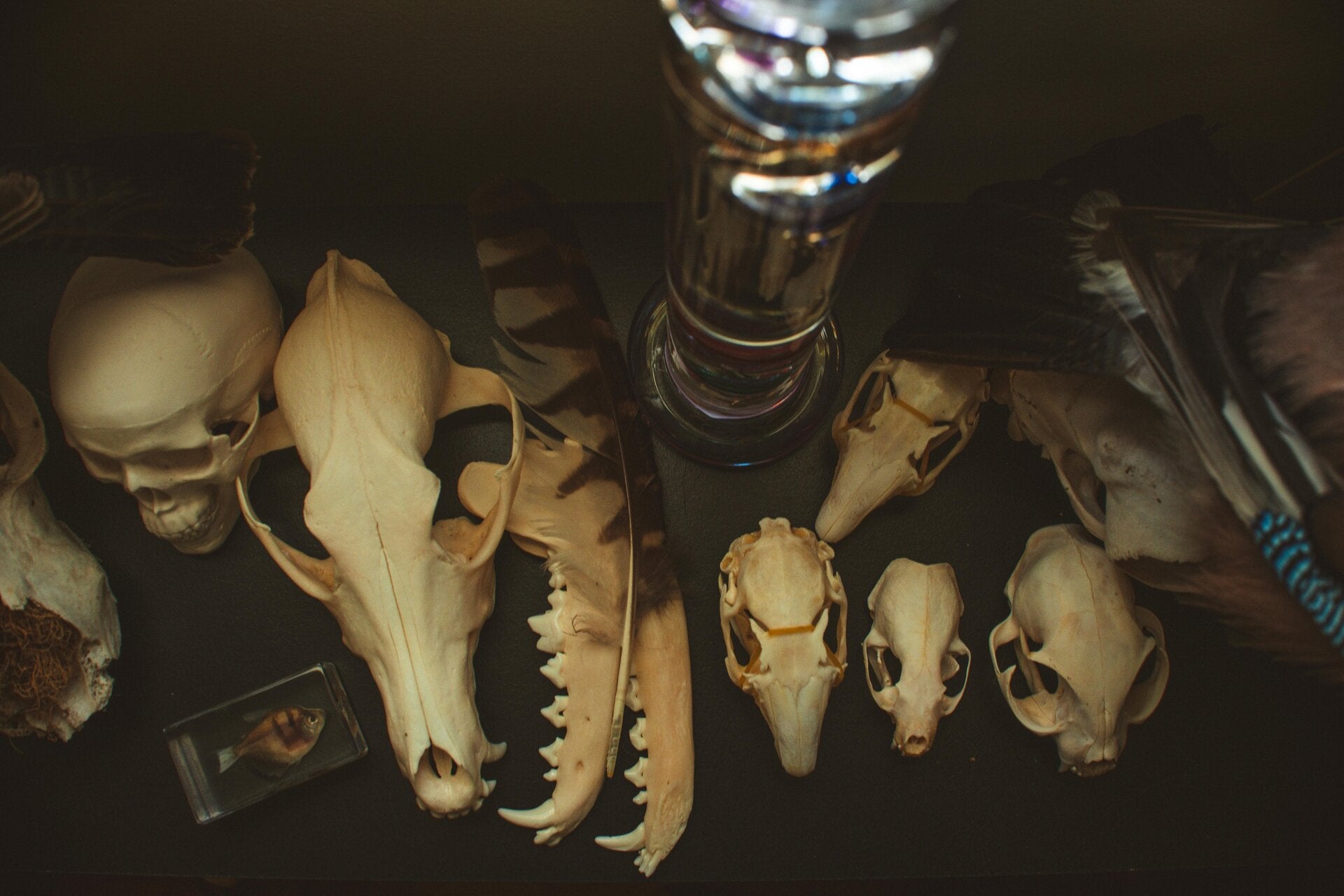
Finding the right materials can make or break a craft project, especially when your focus is on something as unique as bones. Whether you are creating jewelry, sculptures, or other morbid art, sourcing bones ethically and safely is crucial. This guide explores practical, legal, and creative ways to find bones for your craft projects without compromising ethics or quality.
Understanding the Types of Bones You Can Use
Before diving into where to find bones, it helps to know what types of bones work best for your projects. Different bones vary in size, density, and texture, which affects how you can use them.
-
Small bones like bird or rodent bones are ideal for delicate jewelry or miniature sculptures.
-
Medium bones such as those from rabbits or small deer offer more surface area for carving or engraving.
-
Large bones from cows or horses provide sturdy material for larger pieces or structural elements.
Knowing the size and type of bone you need will help narrow your search and ensure you get the right material for your craft.
Where to Find Bones Legally and Ethically
Natural Sources
-
Hunting and Fishing Remains
If you or someone you know hunts or fishes, leftover bones from legally harvested animals can be a great source. Always ensure the animal was obtained legally and that you have permission to use the remains.
-
Roadkill
Some crafters collect bones from roadkill, but this requires caution. Check local laws about collecting roadkill, and always prioritize safety and hygiene. Use gloves and disinfect bones thoroughly before use.
-
Beaches and Forests
In some areas, you can find bones naturally shed by animals or washed ashore. This method requires patience and knowledge of local wildlife laws to avoid disturbing protected species.
Commercial Sources
-
Taxidermy Suppliers
Many taxidermy shops sell cleaned bones or skulls. These are often legally sourced and prepared for display, making them a reliable option for crafters.
-
Online Retailers
Websites specializing in natural history supplies or craft materials often sell bones. Look for sellers who provide information on the origin and legality of their products.
-
Butcher Shops and Meat Markets
Bones from cows, pigs, and other livestock are often discarded by butchers. Ask local shops if they can save bones for you. These bones are usually fresh and can be cleaned and prepared at home.
Ethical Considerations
Always avoid bones from endangered or protected species. Using bones from such animals is illegal and unethical. Stick to common species and verify the source when buying bones online or from suppliers.
Preparing Bones for Craft Use
Once you have your bones, preparation is key to making them safe and workable.
-
Cleaning
Remove any remaining tissue by soaking bones in water for several days, changing the water regularly. For tougher tissue, use enzymatic cleaners or dermestid beetles if available.
-
Degreasing
Soak bones in a degreasing solution such as diluted dish soap or ammonia to remove oils that can cause odors or discoloration.
-
Whitening
Use hydrogen peroxide to whiten bones without damaging them. Avoid bleach, which can weaken the bone structure.
-
Drying and Sealing
Allow bones to dry completely in a well-ventilated area. Seal with a clear matte finish if you want to protect the surface and reduce dust.
Creative Ideas for Using Bones in Craft Projects
-
Jewelry
Carve small bones into beads, pendants, or charms. Combine with leather or metal for a rustic look.
-
Sculptures
Use larger bones as a base or focal point in mixed-media sculptures. Their natural shapes add texture and intrigue.
-
Home Decor
Create unique items like bone chandeliers, drawer pulls, or picture frames for a gothic or natural aesthetic.
-
Educational Tools
Craft anatomical models or teaching aids for classrooms or museums.

Safety Tips When Handling Bones
-
Always wear gloves when handling raw bones to avoid contamination.
-
Work in a well-ventilated area, especially when using chemicals for cleaning or whitening.
-
Dispose of waste materials responsibly.
-
Store bones in a dry place to prevent mold and pests.
Where to Learn More and Connect with Other Crafters
-
Online Forums and Groups
Join communities focused on bone crafting or taxidermy to share tips and source materials.
-
Workshops and Classes
Look for local or online workshops that teach bone preparation and crafting techniques.
-
Books and Guides
Several books cover the art of bone crafting, offering detailed instructions and inspiration.
Add comment
Comments