


Growing pepper plants can be a rewarding experience, but achieving a high yield requires more than just planting seeds and waiting. Whether you are a beginner gardener or have some experience, understanding the key factors that influence pepper plant growth will help you produce abundant, healthy peppers. This guide covers practical tips and techniques to maximize your pepper harvest.
Choosing the Right Pepper Variety
The first step to a successful pepper harvest is selecting the right variety for your climate and taste preferences. Peppers come in many types, including sweet bell peppers, hot chili peppers, and specialty varieties.
-
Climate suitability: Some peppers thrive in warm, long growing seasons, while others tolerate cooler climates. For example, bell peppers prefer warm temperatures between 70°F and 85°F (21°C to 29°C).
-
Growth habit: Choose between bushy or tall varieties depending on your garden space.
-
Disease resistance: Look for varieties resistant to common diseases like bacterial spot or powdery mildew.
Selecting a variety adapted to your local conditions reduces stress on the plants and improves yield.
Preparing the Soil for Planting
Healthy soil is the foundation for vigorous pepper plants. Peppers prefer well-drained, fertile soil with a slightly acidic to neutral pH (6.0 to 7.0).
-
Soil testing: Conduct a soil test to check pH and nutrient levels. Amend soil based on results.
-
Organic matter: Add compost or well-rotted manure to improve soil structure and fertility.
-
Drainage: Avoid heavy clay soils or improve drainage by adding sand or organic matter.
-
Raised beds: Consider raised beds if your garden soil is poor or compacted.
Good soil preparation ensures roots can access nutrients and oxygen, supporting strong plant growth.
Starting Seeds and Transplanting
Starting pepper seeds indoors 8-10 weeks before the last frost date gives plants a head start.
-
Seed starting mix: Use a light, well-draining seed starting mix.
-
Temperature: Maintain soil temperature around 75°F (24°C) for optimal germination.
-
Light: Provide 12-16 hours of bright light daily using grow lights or a sunny window.
-
Hardening off: Gradually expose seedlings to outdoor conditions for 7-10 days before transplanting.
Transplant seedlings outdoors when nighttime temperatures stay above 55°F (13°C) to avoid cold stress.
Proper Spacing and Planting
Correct spacing allows air circulation and reduces disease risk while giving plants room to grow.
-
Spacing: Space pepper plants 18-24 inches apart in rows 24-36 inches apart.
-
Plant depth: Plant seedlings at the same depth as they grew in their pots.
-
Mulching: Apply organic mulch around plants to conserve moisture and suppress weeds.
Proper spacing and mulching help maintain healthy plants and reduce competition for nutrients.
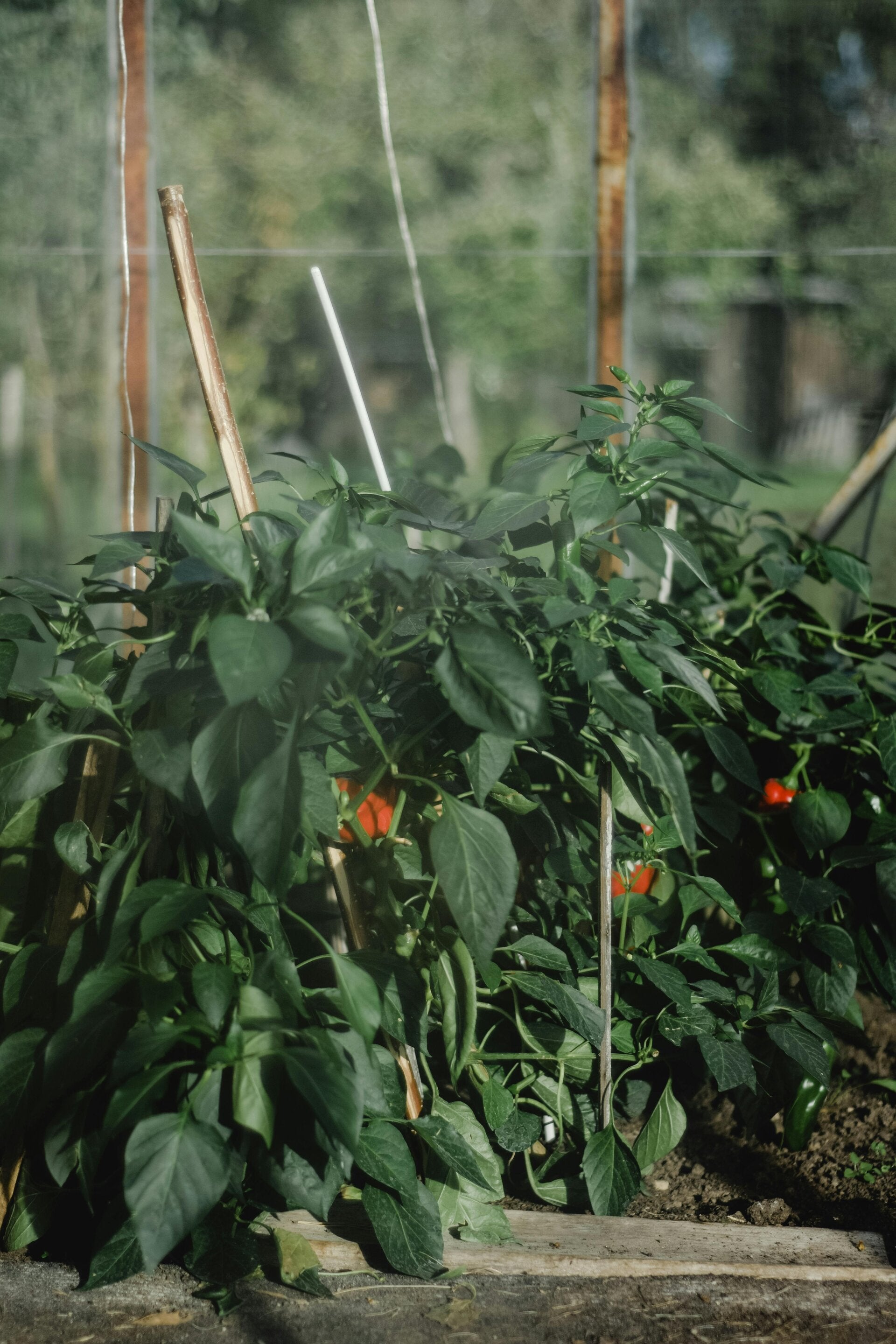
Watering and Fertilizing for Maximum Growth
Peppers need consistent moisture but dislike waterlogged soil.
-
Watering: Water deeply once or twice a week depending on weather. Avoid overhead watering to reduce fungal diseases.
-
Drip irrigation: Use drip irrigation or soaker hoses for efficient watering.
-
Fertilizing: Apply a balanced fertilizer high in phosphorus and potassium to support flowering and fruiting. Avoid excessive nitrogen, which promotes leafy growth over fruit.
-
Side dressing: Add compost or fertilizer every 3-4 weeks during the growing season.
Consistent watering and proper feeding encourage strong roots and abundant fruit production.
Managing Pests and Diseases
Common pests include aphids, spider mites, and pepper weevils. Diseases like bacterial spot and blossom end rot can reduce yield.
-
Monitoring: Inspect plants regularly for signs of pests or disease.
-
Natural predators: Encourage beneficial insects like ladybugs to control aphids.
-
Organic sprays: Use insecticidal soap or neem oil for pest control.
-
Disease prevention: Practice crop rotation and avoid overhead watering.
-
Remove affected plants: Promptly remove diseased leaves or plants to prevent spread.
Early intervention keeps plants healthy and productive.
Supporting Plants and Pruning
Pepper plants benefit from support and occasional pruning to improve air circulation and fruit quality.
-
Staking: Use stakes or cages to support heavy branches and prevent breakage.
-
Pruning: Remove suckers and lower leaves to focus energy on fruit development.
-
Pinching: Pinch off early flowers to encourage stronger root and foliage growth in young plants.
Proper support and pruning help plants allocate resources efficiently for maximum yield.
Harvesting and Post-Harvest Care
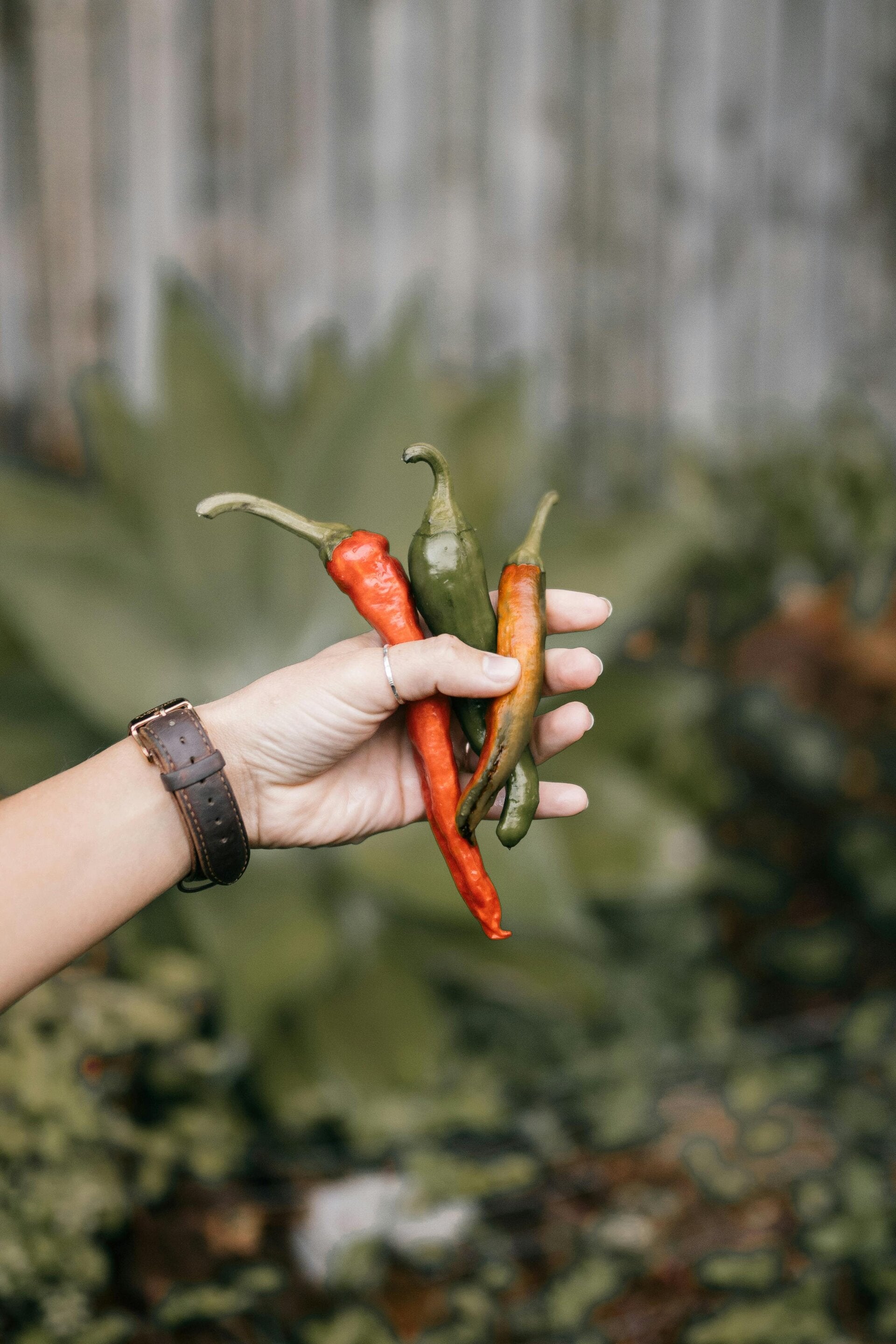
Harvest peppers when they reach full size and color for the best flavor and nutrition.
-
Timing: Pick peppers regularly to encourage continuous production.
-
Harvest method: Use scissors or sharp knives to avoid damaging plants.
-
Storage: Store harvested peppers in a cool, dry place or refrigerate for longer shelf life.
Regular harvesting signals the plant to produce more fruit, increasing overall yield.
Add comment
Comments