


Mushroom hunting offers a unique way to connect children with nature, science, and healthy outdoor activity. For homeschool families, it combines learning with adventure, making it an ideal field research activity. Knowing where and when to take your homeschooler mushroom hunting can transform a simple walk in the woods into an exciting educational experience. This guide provides practical advice on the best locations and times for mushroom hunting, along with tips to keep your outing safe and rewarding.
Why Mushroom Hunting Is a Great Activity for Homeschoolers
Mushroom hunting encourages curiosity and observation skills. It teaches children about ecosystems, biology, and the importance of fungi in nature. Unlike classroom lessons, it offers hands-on learning that stimulates all senses. Kids learn to identify different species, understand their roles in the environment, and appreciate biodiversity.
This activity also promotes patience and careful attention to detail. Children learn to respect nature by following ethical foraging practices. Plus, it’s a fun way to get exercise and spend quality time outdoors.
Best Locations for Mushroom Hunting with Your Homeschooler
Choosing the right location is key to a successful mushroom hunt. Here are some of the best places to explore:
1. Deciduous and Mixed Forests
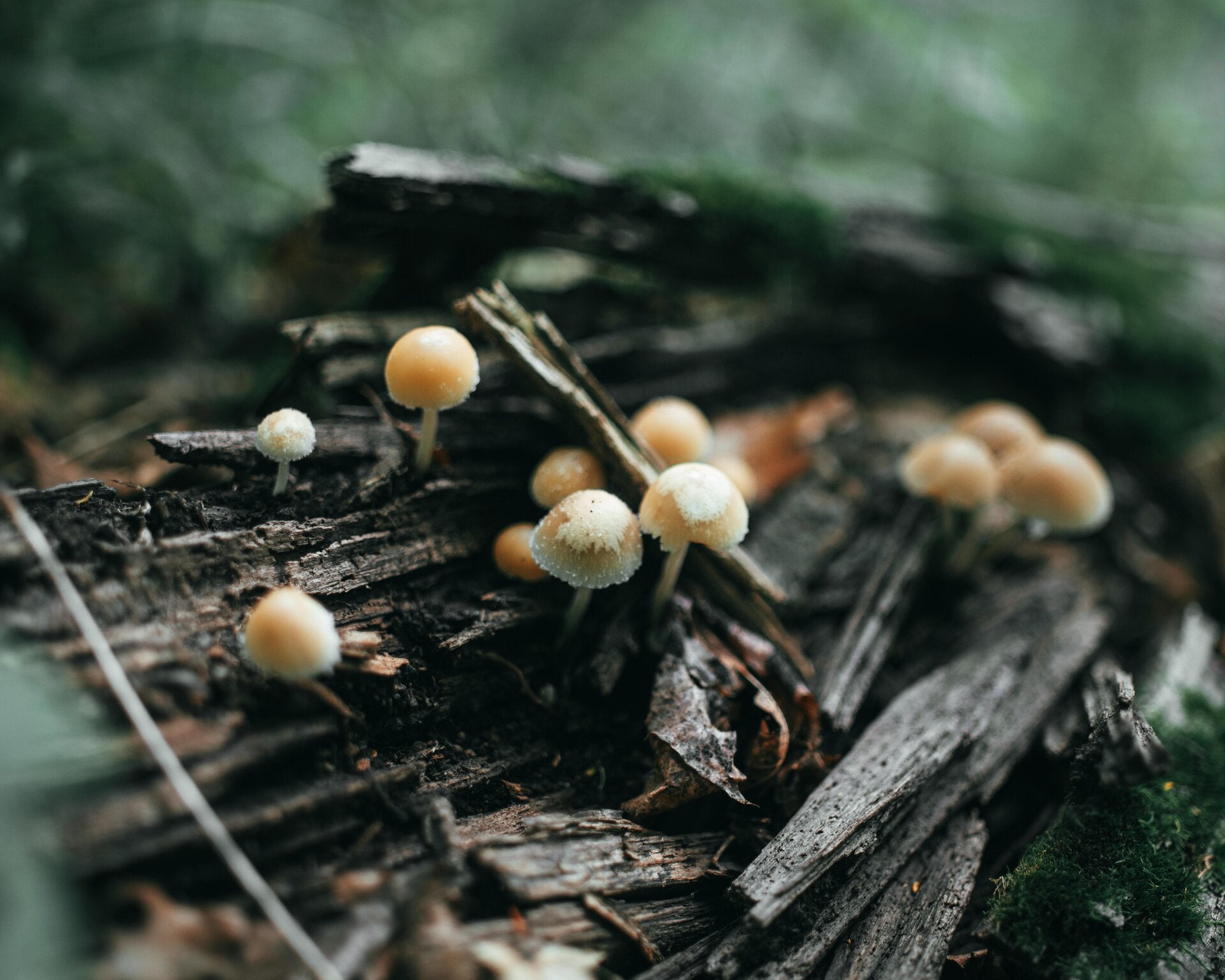
Forests with a mix of hardwood trees like oak, maple, and birch provide rich habitats for many mushroom species. Fallen leaves create a moist, nutrient-rich environment perfect for fungi growth.
-
Look for shaded areas with plenty of leaf litter.
-
Near rotting logs or tree stumps, where mushrooms often grow.
-
Avoid areas with heavy foot traffic to find untouched patches.
2. Parks and Nature Reserves
Many parks allow mushroom foraging, but always check local regulations first. Nature reserves often have diverse plant life, increasing the chances of finding different mushroom types.
-
Choose less crowded trails to avoid disturbing other visitors.
-
Use maps or park guides to find wooded sections.
-
Some parks offer guided mushroom walks, which can be educational for beginners.
Plus, visiting our parks is a great way to support them!
3. Riverbanks and Wetlands
Mushrooms thrive in damp environments. Riverbanks and wetlands provide the moisture fungi need to flourish.
-
Search near fallen trees or damp soil.
-
Be cautious of slippery terrain and avoid disturbing sensitive habitats.
-
These areas often have unique mushroom species not found elsewhere.
4. Your Own Backyard or Local Green Spaces
If you live near wooded areas or have a garden with shaded, moist spots, you might find mushrooms right at home.
-
This is a great way to start for beginners.
-
It allows for frequent, short mushroom hunts.
-
You can observe mushroom growth over time, enhancing learning.
When to Take Your Homeschooler Mushroom Hunting
Timing affects the quantity and variety of mushrooms you’ll find. Here’s what to consider:
1. Seasonality
Mushrooms appear mostly in spring and fall, when temperatures and moisture levels are ideal.
-
Spring: After the first warm rains, many early species emerge.
-
Fall: This is the peak season for most edible and wild mushrooms.
-
Avoid summer in hot, dry climates, as mushrooms tend to disappear.
2. Weather Conditions
Mushrooms need moisture to grow, so timing your hunt after rain is crucial.
-
Plan outings 1-3 days after steady rain.
-
Avoid hunting during heavy rain or immediately after, as mushrooms can be waterlogged.
-
Morning hunts are often best, as mushrooms are fresh and less disturbed.
3. Time of Day
Early morning or late afternoon offers cooler temperatures and softer light, making it easier to spot mushrooms.
-
Early morning dew can highlight mushrooms.
-
Avoid midday heat, which can dry out fungi and make them harder to find.
Preparing for a Safe and Educational Mushroom Hunt
Safety and preparation are essential, especially when children are involved.
1. Learn Basic Mushroom Identification
Teach your homeschooler to recognize common edible and poisonous mushrooms.
- Use field guides with clear pictures.
-
Consider apps designed for mushroom identification.
-
Emphasize never eating mushrooms unless an expert confirms they are safe.
2. Bring the Right Gear
Equip your child with tools and supplies for a comfortable and productive hunt.
-
Basket or paper bags for collecting specimens (avoid plastic bags).
-
Small knife for cutting mushrooms at the base.
-
Notebook and pencil for recording observations.
-
Magnifying glass for close examination.
-
Appropriate clothing and sturdy shoes.
3. Follow Ethical Foraging Practices
Respect nature and other foragers by following these guidelines:
-
Only take what you will use.
-
Leave some mushrooms behind to allow spores to spread.
-
Avoid damaging the surrounding environment.
-
Stay on marked trails to protect fragile ecosystems.

Making Mushroom Hunting a Rich Learning Experience
Turn your outing into a full educational adventure by incorporating these ideas:
1. Create a Mushroom Journal
Encourage your homeschooler to document each find.
-
Draw or photograph mushrooms.
-
Note the location, weather, and surrounding plants.
-
Write down any questions or observations.
2. Study Mushroom Biology
Use the field experience to explore fungal biology.
-
Discuss how mushrooms grow from spores.
-
Explain the role of fungi in decomposing organic matter.
-
Explore symbiotic relationships between fungi and trees.
3. Connect with Local Mycology Groups
Many communities have mushroom clubs or experts who offer workshops.
-
Join guided hunts to learn from experienced foragers.
-
Attend talks or classes to deepen knowledge.
-
Participate in citizen science projects to contribute to local research.
Tips for Keeping Your Homeschooler Engaged and Safe
-
Keep hunts short and fun to match your child’s attention span.
-
Bring snacks and water to stay energized.
-
Use games like mushroom bingo or scavenger hunts.
-
Always supervise closely, especially in unfamiliar areas.
-
Teach respect for wildlife and plants encountered along the way.
Add comment
Comments