

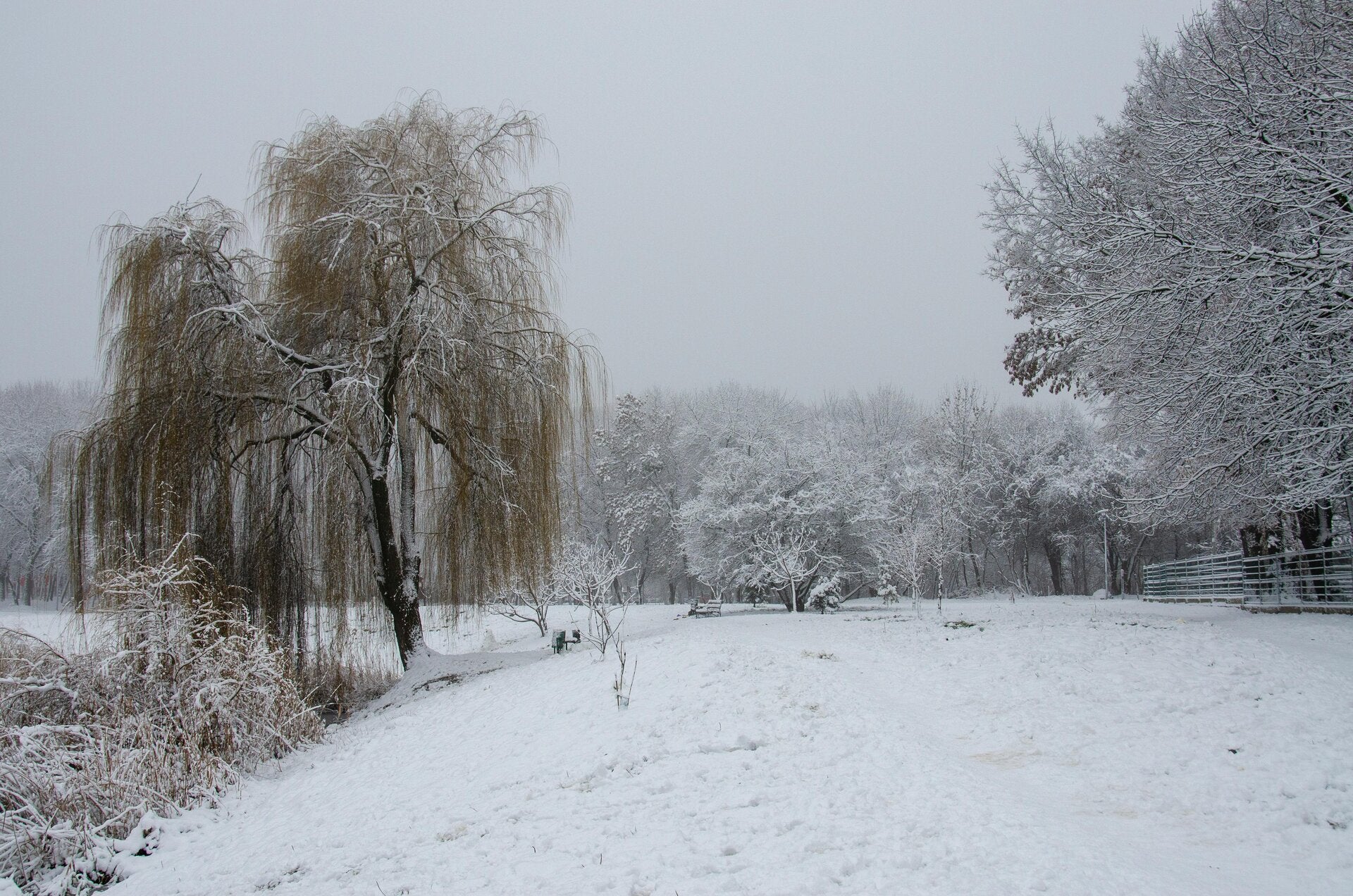
Winter gardening in West Tennessee can be rewarding with the right choices. The region’s mild winters and fertile soil allow gardeners to grow a variety of herbs and vegetables even when temperatures drop. Knowing which plants thrive in cooler weather helps you maintain a fresh supply of homegrown produce throughout the season.
This guide highlights the best herbs and vegetables to grow during winter in West Tennessee, offering practical tips to help your garden flourish despite the chill.
1. Leafy Greens That Love the Cold
Leafy greens are among the easiest and most productive winter crops. They tolerate frost well and often taste sweeter after a light freeze.
-
Kale
Kale grows vigorously in cool weather and can survive temperatures down to 20°F. It prefers well-drained soil and partial to full sun. Harvest leaves regularly to encourage new growth.
-
Spinach
Spinach thrives in the cooler months and grows quickly. It prefers moist, fertile soil and benefits from some protection against harsh winds. Baby spinach leaves can be harvested early for salads.
-
Collard Greens
Collards are hardy and can withstand frost, making them ideal for winter gardens. They grow best in full sun and rich soil. Leaves can be picked continuously throughout the season.
-
Mustard Greens
Mustard greens add a peppery flavor to winter meals. They grow fast and tolerate cold well. Sow seeds directly in the garden and thin seedlings to allow space for growth.
2. Root Vegetables That Develop Flavor in Cold Soil
Root vegetables store energy underground, which helps them survive winter conditions. Cold soil often enhances their sweetness.
-
Carrots
Carrots planted in late summer or early fall can be harvested well into winter. They prefer loose, sandy soil to develop straight roots. Mulching helps protect them from freezing.
-
Beets
Beets grow well in cooler temperatures and can be harvested for both roots and greens. They need well-drained soil and consistent moisture.
-
Turnips
Turnips mature quickly and tolerate frost. Both the roots and greens are edible. Plant seeds in late summer for a winter harvest.
-
Radishes
Radishes grow fast and can be planted multiple times during the winter months. They prefer loose soil and regular watering.
3. Herbs That Stay Fresh Through Winter
Certain herbs remain productive in cooler weather, providing fresh flavors for winter cooking.
-
Parsley
Parsley is cold-tolerant and can survive mild freezes. It grows best in well-drained soil with partial sun. Regular harvesting encourages bushier growth.
-
Thyme
Thyme is a hardy perennial herb that withstands cold temperatures. It prefers full sun and well-drained soil. Thyme adds flavor to soups and roasted vegetables.
-
Rosemary
Rosemary can survive mild winters in West Tennessee if planted in a sheltered spot. It needs good drainage and full sun. Protect it from harsh winds to prevent damage.
- Chives
Chives die back in winter but regrow early in spring. They tolerate cold well and can be grown in containers indoors if needed.

4. Tips for Successful Winter Gardening in West Tennessee
Growing herbs and vegetables in winter requires some planning and care to protect plants from cold snaps and ensure steady growth.
-
Choose the Right Location
Select garden spots with good sunlight exposure, ideally south-facing, to maximize warmth during the day.
-
Use Raised Beds or Containers
Raised beds warm faster in the sun and improve drainage. Containers can be moved to sheltered areas during extreme weather.
-
Protect Plants from Frost
Use row covers, cold frames, or garden fabric to shield plants from frost and wind. Mulching with straw or leaves helps insulate roots.
-
Water Wisely
Water plants during the warmer parts of the day to prevent freezing. Keep soil moist but avoid waterlogging.
-
Succession Planting
Stagger planting dates to extend the harvest season. For example, sow radishes every two weeks for continuous crops.
5. Vegetables to Avoid Planting in Winter
Some vegetables do not tolerate cold well and should be avoided during West Tennessee winters.
-
Tomatoes
-
Peppers
-
Cucumbers
-
Squash
These warm-season crops require higher temperatures and longer daylight hours to thrive.
Add comment
Comments