

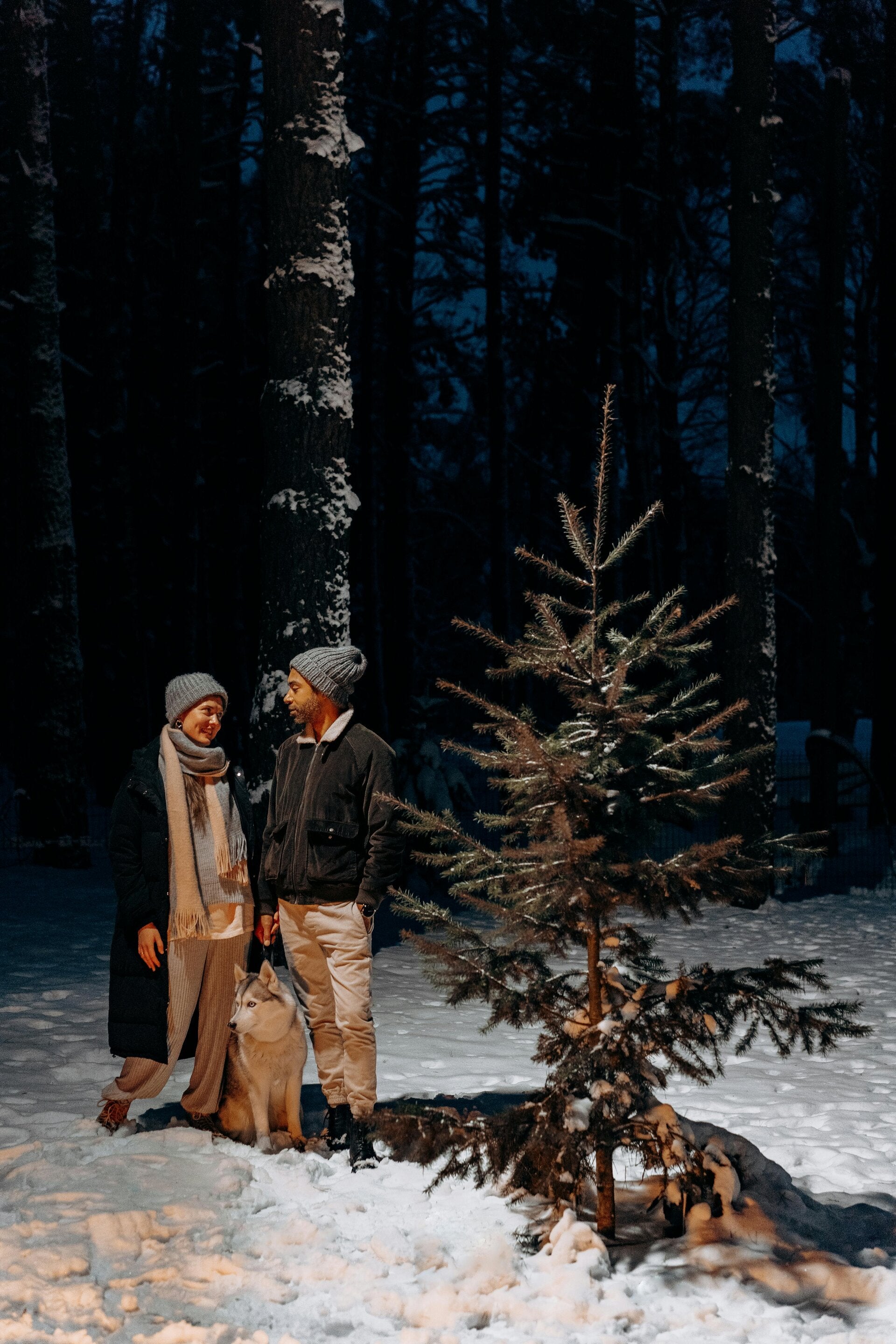
Christmas is often seen as a purely Christian holiday, centered on the birth of Jesus Christ. Yet, many traditions we associate with Christmas actually come from much older, pagan celebrations. Understanding these roots can open the door to new ways of celebrating the season, blending history, nature, and spirituality. This post explores where Christmas came from and offers ideas for celebrating it with a pagan twist.
The Origins of Christmas
Christmas as a holiday was officially established by the Christian church in the 4th century, set on December 25th to mark the birth of Jesus. However, this date was chosen to coincide with existing pagan festivals that celebrated the winter solstice—the shortest day and longest night of the year.
Pagan Festivals Around the Winter Solstice
-
Yule: Celebrated by Germanic peoples, Yule marked the rebirth of the sun. It involved lighting fires and candles to welcome back longer days.
-
Saturnalia: A Roman festival honoring Saturn, the god of agriculture, held in mid-December. It was known for feasting, gift-giving, and role reversals.
-
Sol Invictus: The "Unconquered Sun" festival celebrated the sun’s return after the solstice.
These festivals shared themes of light overcoming darkness, renewal, and community celebration. Many Christmas customs, like decorating evergreen trees, hanging wreaths, and lighting candles, come from these pagan traditions.
How Pagan Traditions Shaped Modern Christmas
Many symbols and practices we associate with Christmas have pagan origins:
-
Evergreens: Trees and plants that stay green all winter symbolized eternal life and protection. Bringing them indoors was a way to invite life and hope during the dark months.
-
Yule Log: Burning a large log was a central Yule ritual meant to bring warmth and light. Today’s Yule log cakes and decorative logs echo this tradition.
-
Mistletoe: Considered sacred by Druids, mistletoe was believed to have healing powers and to bring good luck.
-
Gift-Giving: Rooted in Saturnalia, exchanging gifts was a way to honor the gods and strengthen social bonds.
Understanding these origins helps us see Christmas as a layered celebration, blending Christian faith with ancient nature-based rituals.

Unique Pagan Ways to Celebrate Christmas
If you want to celebrate Christmas with a pagan spirit, here are some meaningful and creative ideas:
1. Celebrate the Winter Solstice
Mark the solstice on December 21st or 22nd with a simple ritual:
-
Light candles or a fire to symbolize the return of the sun.
-
Spend time outdoors appreciating the quiet and stillness of winter.
-
Reflect on the year’s challenges and set intentions for renewal.
2. Decorate with Natural Elements
Use decorations that connect you to nature:
-
Gather pine cones, holly, ivy, and mistletoe.
-
Make your own ornaments from wood, dried fruit, or herbs.
-
Create a wreath from evergreen branches to hang on your door.
3. Host a Feast Inspired by Ancient Traditions
Prepare a meal using seasonal ingredients like root vegetables, nuts, and winter fruits. Include dishes that honor the earth’s bounty and share stories about the solstice and Yule.
4. Practice Gift-Giving with Intention
Instead of commercial gifts, exchange handmade or meaningful items. Focus on gifts that promote well-being, creativity, or connection.
5. Create a Yule Log Ceremony
If you have a fireplace or fire pit, burn a Yule log while sharing wishes for the coming year. If not, decorate a log with symbols and light candles around it.

Bringing Pagan Spirit into Your Holiday
Celebrating Christmas with pagan elements is about reconnecting with nature’s cycles and honoring light in the darkest time of year. It can deepen your appreciation for the season beyond commercial traditions.
-
Connect with nature: Spend time outside, notice the changes in the landscape, and bring natural elements indoors.
-
Create rituals: Simple acts like lighting candles, sharing stories, or making crafts can bring meaning to your celebrations.
-
Focus on community: Gather with friends or family to share food, stories, and intentions.
These practices invite mindfulness and gratitude, helping you find peace and joy during the busy holiday season.
Add comment
Comments