


Mushrooms are more than just the fungi you see on the forest floor or in your grocery store. They belong to a unique kingdom of living organisms that play vital roles in ecosystems, medicine, and even food production. For 7th grade homeschoolers, studying mushrooms and mycology—the science of fungi—opens a door to understanding nature in a new way. This blog post will guide you through the basics of mushrooms, their importance, and how to explore mycology safely and effectively at home.
What Are Mushrooms and Why Study Them?
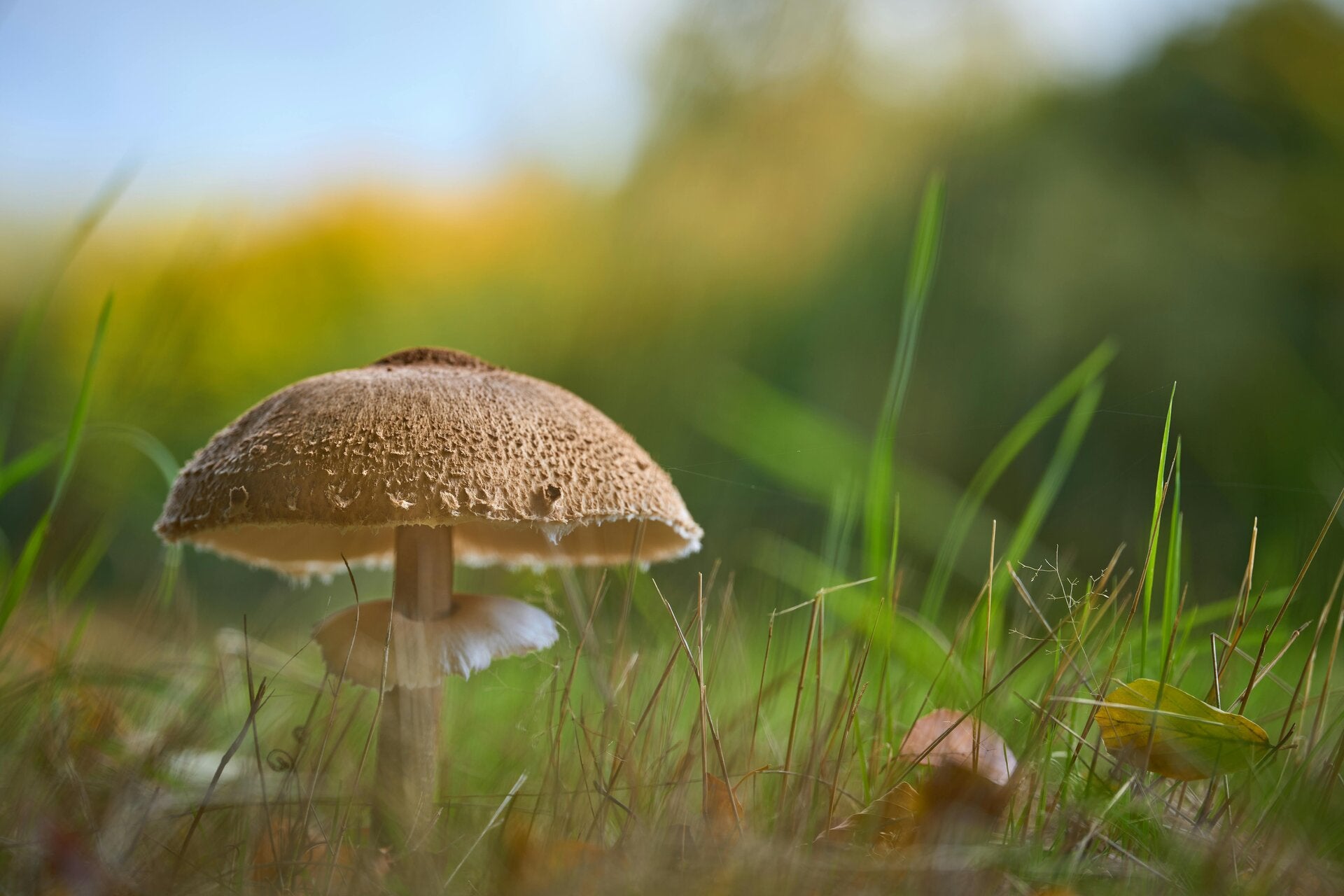
Mushrooms are the fruiting bodies of fungi, which are organisms different from plants and animals. Unlike plants, fungi do not make their own food through photosynthesis. Instead, they absorb nutrients from their environment. Mushrooms are just the visible part of a much larger underground network called mycelium. Studying mushrooms helps us understand:
-
How ecosystems recycle nutrients
-
The role fungi play in soil health
-
The potential uses of fungi in medicine and industry
For homeschoolers, learning about mushrooms combines biology, ecology, and even chemistry in a hands-on way.
Basic Mushroom Anatomy and Life Cycle
Understanding the parts of a mushroom is the first step in identifying and studying them.
-
Cap: The top part, often umbrella-shaped, which protects the spores.
-
Gills: Thin plates under the cap where spores develop.
-
Stem: Supports the cap and raises it above the ground.
-
Mycelium: The network of thread-like cells underground or inside decaying material.
Mushrooms reproduce by releasing spores, tiny cells that spread through the air or water. When spores land in a suitable environment, they grow into new mycelium, continuing the cycle.
Types of Mushrooms Commonly Found
Mushrooms come in many shapes, sizes, and colors. Here are some common types homeschoolers might find:
-
Amanita muscaria: The classic red mushroom with white spots, often seen in fairy tales.
-
Morels: Honeycomb-like mushrooms prized for cooking.
-
Shiitake: Popular edible mushrooms grown on logs.
-
Shelf fungi: Grow on trees and look like shelves or brackets.
Learning to identify mushrooms safely is crucial because some are poisonous.
How to Study Mushrooms Safely at Home
Safety is the top priority when exploring mushrooms. Here are some tips:
-
Never eat wild mushrooms unless an expert confirms they are safe.
-
Use gloves when handling unknown mushrooms.
-
Avoid disturbing protected natural areas.
-
Use a field guide or app to help identify species.
-
Take photos and notes instead of collecting large samples.
Homeschoolers can create a mushroom journal to record observations, drawings, and findings.
Fun Mycology Activities for 7th Grade Homeschoolers
Hands-on activities make learning about mushrooms exciting and memorable. Here are some ideas:
-
Grow your own mushrooms: Kits are available for growing oyster or shiitake mushrooms at home.
-
Microscope exploration: Look at spores and mycelium under a microscope.
-
Spore prints: Place a mushroom cap on paper to see the pattern of spores it releases.
-
Nature walks: Search for different mushrooms in your local area and document them.
These activities teach observation skills and scientific methods like recording data and making hypotheses.
The Importance of Mushrooms in Nature and Human Life
Mushrooms and fungi have many important roles:
-
Decomposers: They break down dead plants and animals, returning nutrients to the soil.
-
Symbiotic partners: Some fungi form relationships with plants, helping them absorb water and nutrients.
-
Food source: Many mushrooms are edible and nutritious.
-
Medicine: Fungi produce antibiotics like penicillin and other medicines.
-
Biotechnology: Scientists use fungi to clean up pollution and produce biofuels.
Understanding these roles helps students appreciate the value of fungi beyond just their appearance.
Resources for Further Learning
For homeschoolers interested in diving deeper into mycology, these resources can help:
-
Books: "Mushrooms of North America" by Orson K. Miller Jr. and Hope H. Miller
-
Websites: Mushroom Observer, MycoPortal
-
Apps: iNaturalist, Shroomify
-
Local clubs: Mycological societies often offer workshops and guided mushroom hunts
Using these tools, students can expand their knowledge and connect with a community of mushroom enthusiasts.
Add comment
Comments