

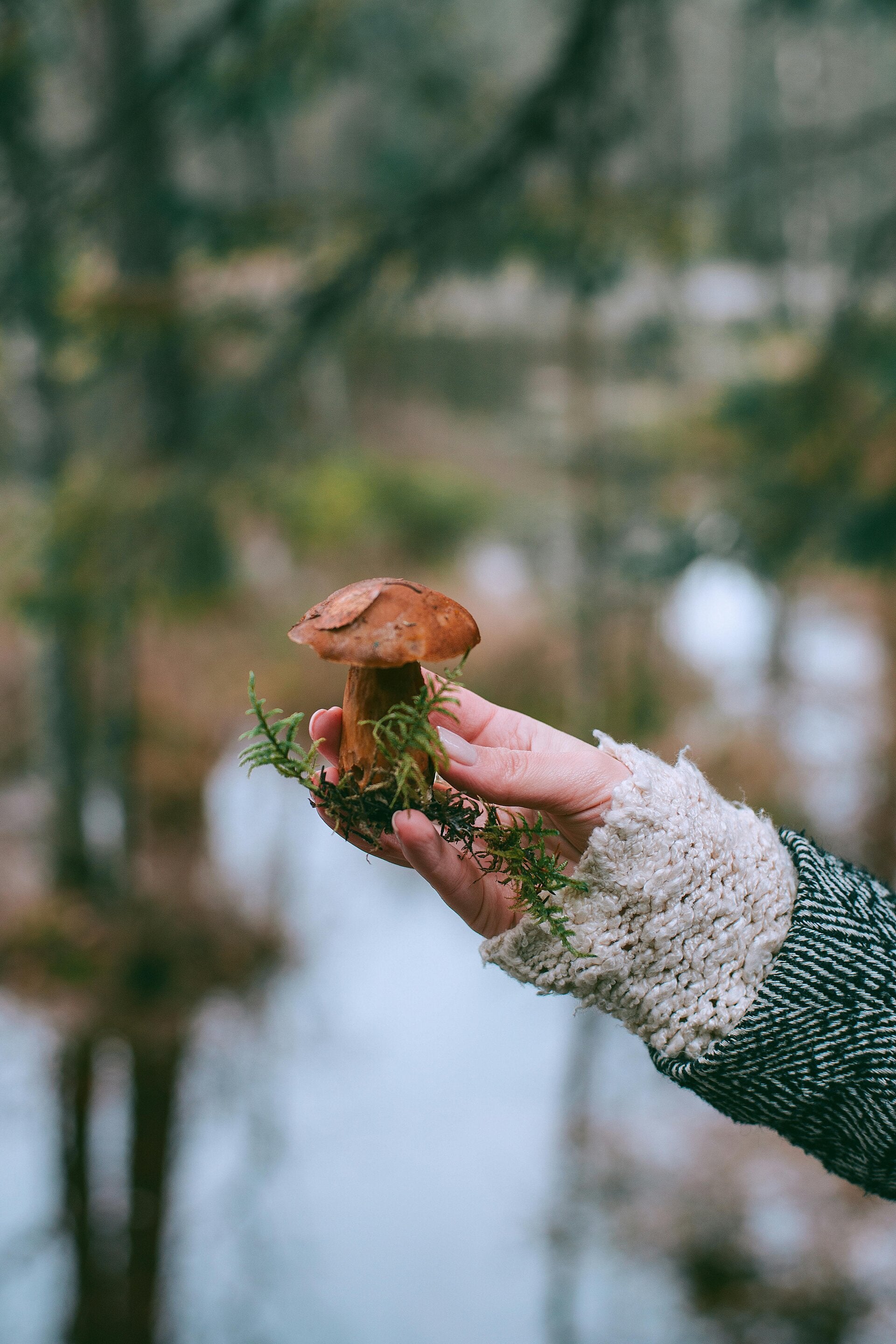
Finding wild mushrooms can be a rewarding adventure for nature lovers and food enthusiasts alike. The thrill of spotting a unique fungus in its natural habitat combines the joy of exploration with the chance to add fresh, wild ingredients to your kitchen. However, wild mushroom foraging requires knowledge and care to avoid toxic varieties. This guide highlights ten of the best wild mushrooms you can find, with tips on identification and uses.
1. Chanterelle (Cantharellus cibarius)
Chanterelles are among the most popular wild mushrooms due to their distinctive flavor and aroma. They have a bright yellow to orange color and a funnel shape with wavy edges. These mushrooms grow in mossy forests, often near hardwood trees like oaks and birches.
-
Identification tips: Look for ridges instead of true gills under the cap, and a fruity, apricot-like scent.
-
Culinary uses: Excellent sautéed in butter, added to pasta, or used in soups.
-
Season: Summer to early fall.
2. Morel (Morchella spp.)
Morels are prized for their honeycomb-like caps and rich, earthy flavor. They appear in spring, often near dead or dying trees, especially elms and ash.
-
Identification tips: The cap has a network of ridges and pits, and the mushroom is hollow inside.
-
Culinary uses: Perfect for frying, stuffing, or adding to creamy sauces.
-
Season: Spring.
3. Porcini (Boletus edulis)
Porcini mushrooms are large, thick-stemmed fungi with a brown cap and a spongy underside instead of gills. They are highly sought after for their nutty flavor.
-
Identification tips: The cap is smooth and brown, and the pores underneath are white when young, turning yellowish with age.
-
Culinary uses: Great in risottos, soups, and stews.
-
Season: Late summer to fall.

4. Oyster Mushroom (Pleurotus ostreatus)
Oyster mushrooms grow in shelf-like clusters on dead or dying trees. They have a delicate texture and mild flavor, making them versatile in cooking.
-
Identification tips: Look for fan-shaped caps with white to gray coloring and gills running down the stem.
-
Culinary uses: Stir-fries, soups, and grilled dishes.
-
Season: Fall to winter.
5. Lion’s Mane (Hericium erinaceus)
Lion’s Mane is a unique mushroom with long, white spines that resemble a lion’s mane. It grows on hardwood trees and has a seafood-like flavor.
-
Identification tips: White, shaggy, and spiny fruiting body without a traditional cap or stem.
-
Culinary uses: Sautéed or used as a meat substitute in vegetarian dishes.
-
Season: Late summer to fall.
6. Chicken of the Woods (Laetiporus sulphureus)
This mushroom is bright orange and grows in large shelf-like clusters on trees. It has a texture and flavor reminiscent of chicken.
-
Identification tips: Vibrant orange to yellow color, thick and soft shelf structure.
-
Culinary uses: Fried, grilled, or added to stews.
-
Season: Summer to fall.

7. Hedgehog Mushroom (Hydnum repandum)
Hedgehog mushrooms have a pale orange to tan cap with spines or "teeth" underneath instead of gills. They have a sweet, nutty flavor.
-
Identification tips: Look for spines under the cap and a firm texture.
-
Culinary uses: Sautéed or added to sauces.
-
Season: Late summer to fall.
8. Puffball (Lycoperdon perlatum)
Puffballs are round, white mushrooms that release spores in a puff when mature. Only young puffballs with firm white flesh are edible.
-
Identification tips: Smooth or slightly bumpy round shape, no gills, and solid white inside when young.
-
Culinary uses: Sliced and fried or added to soups.
-
Season: Summer to fall.
9. Black Trumpet (Craterellus cornucopioides)
Black trumpets are dark, trumpet-shaped mushrooms with a smoky, rich flavor. They blend well with many dishes.
-
Identification tips: Look for thin, hollow, dark gray to black mushrooms with a funnel shape.
-
Culinary uses: Great dried or fresh in sauces and soups.
-
Season: Summer to fall.
10. Shaggy Mane (Coprinus comatus)
Shaggy Mane mushrooms have tall, white, cylindrical caps covered in shaggy scales. They must be eaten quickly as they dissolve into ink after picking.
-
Identification tips: Tall, white, shaggy cap with a hollow stem.
-
Culinary uses: Best sautéed or used fresh in omelets.
-
Season: Spring to fall.

Add comment
Comments