

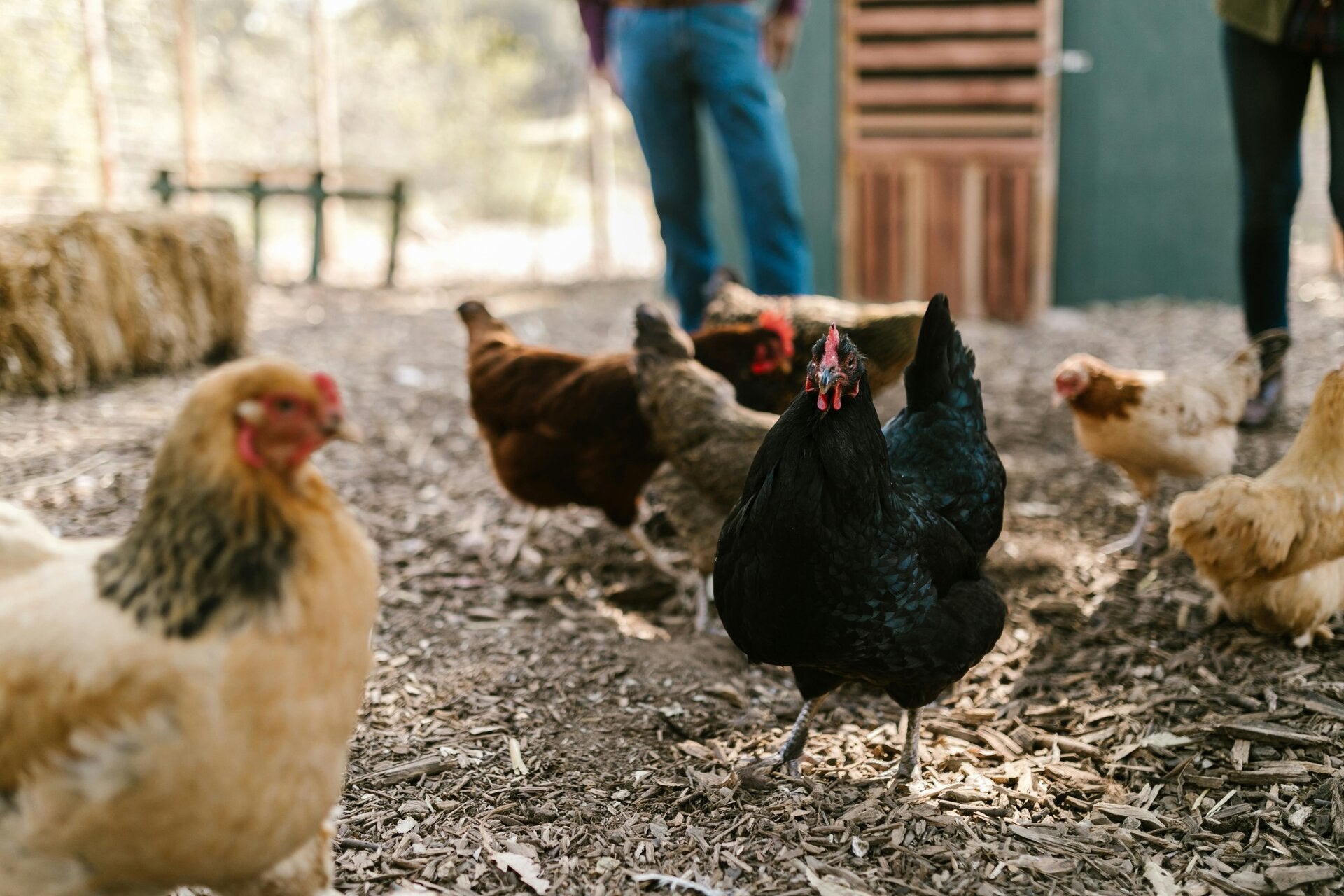
Raising chickens with kids can be a rewarding experience that brings the family closer to nature and teaches responsibility. Many families dream of having a small homestead or farm where children can learn about animals and where food comes from. Chickens make excellent pets for kids because they are relatively easy to care for and provide fresh eggs. This guide will walk you through everything you need to know to start raising chickens with your children, from choosing the right breed to daily care and safety tips.
Choosing the Right Chickens for Your Family
Not all chickens are the same, and some breeds are better suited for families with kids. When selecting chickens, consider these factors:
-
Temperament: Look for calm and friendly breeds like Buff Orpingtons, Silkies, or Plymouth Rocks. These chickens tolerate handling well and are less likely to be aggressive.
-
Egg Production: If fresh eggs are a goal, choose breeds known for consistent laying, such as Rhode Island Reds or Leghorns.
-
Size: Smaller breeds are easier for kids to handle and less intimidating.
-
Climate Adaptability: Pick breeds that thrive in your local weather to keep your chickens healthy.
Visiting a local hatchery or farm can help kids connect with the animals and choose their favorites. This hands-on experience builds excitement and responsibility.
Setting Up a Safe and Comfortable Home
A secure and clean environment is essential for your chickens’ health and your family’s safety. Here’s what to focus on:
-
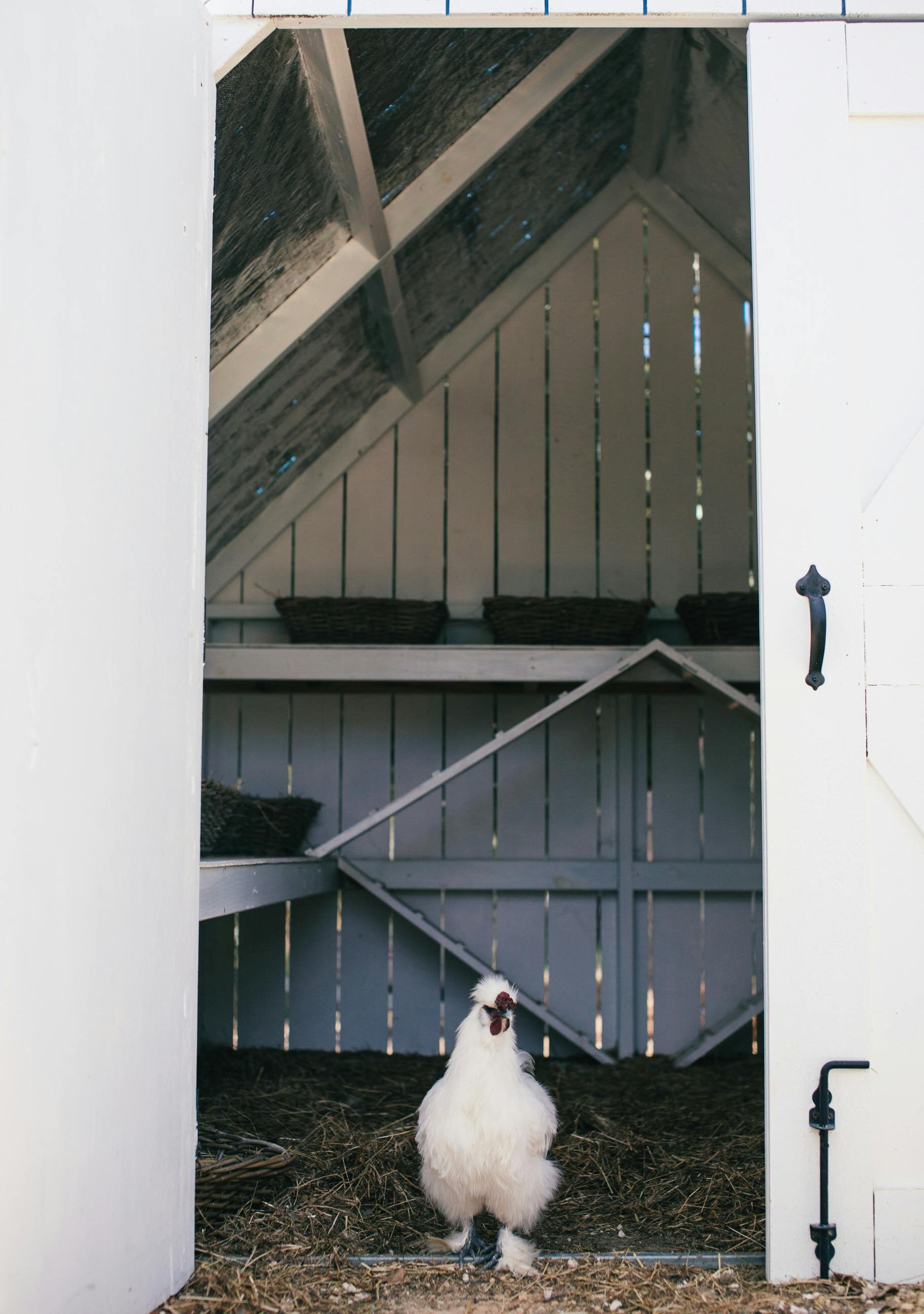
Coop Design: The coop should protect chickens from predators and bad weather. It needs good ventilation, nesting boxes, and enough space—about 3-4 square feet per chicken inside the coop and 8-10 square feet in the outdoor run.
-
Easy Access: Design the coop so kids can easily collect eggs and clean the space. A door at child height and removable trays make chores simpler.
-
Safe Fencing: Use sturdy fencing to keep chickens in and predators out. Make sure there are no gaps or holes.
-
Clean Bedding: Use straw or wood shavings for bedding and change it regularly to prevent odors and disease.
Teaching kids to help with coop maintenance encourages teamwork and respect for animals.
Daily Care and Feeding
Chickens need daily attention, which makes them excellent pets for teaching kids about routine and care. Here’s what to include in your daily tasks:
-
Feeding: Provide a balanced diet with commercial chicken feed, supplemented with kitchen scraps like vegetable peels and grains. Avoid giving them anything toxic such as chocolate or avocado.
-
Water: Fresh water must be available at all times. Check and refill water containers daily.
-
Egg Collection: Collect eggs every day to keep them clean and prevent chickens from eating them.
-
Health Checks: Look for signs of illness such as lethargy, loss of appetite, or unusual droppings. Early detection helps prevent disease spread.
Involve kids in these tasks to build their confidence and understanding of animal care.
Teaching Kids About Chicken Behavior and Safety
Understanding chicken behavior helps kids interact safely and respectfully with their pets. Teach children to:
-
Approach chickens calmly and quietly to avoid startling them.
-
Recognize when chickens want to be left alone, such as when they are nesting or roosting.
-
Handle chickens gently by supporting their body and avoiding squeezing.
-
Wash hands thoroughly after handling chickens or cleaning the coop to prevent germs.
Explain the importance of respecting animals and how to observe their habits. This knowledge fosters empathy and patience.
Fun Activities to Engage Kids with Chickens
Raising chickens offers many opportunities for family bonding and learning. Here are some ideas to keep kids interested:
-
Egg Decorating: Use eggs collected from your chickens for painting or dyeing during holidays.
-
Chicken Journals: Encourage kids to keep a diary of their chickens’ growth, behavior, and egg production.
-
Gardening: Use chicken manure as fertilizer for a family garden project.
-
Crafts: Make chicken-themed crafts like feather art or coop decorations.
These activities make the farm experience more enjoyable and educational.

Troubleshooting Common Challenges
Even with the best preparation, families may face challenges when raising chickens. Here are solutions to common problems:
-
Predators: Use secure fencing and lock the coop at night. Motion-activated lights can deter nocturnal animals.
-
Pests: Keep bedding clean and use diatomaceous earth to control mites and lice.
-
Noise: Some breeds are quieter than others. If noise is an issue, choose calm breeds and place the coop away from neighbors.
-
Egg Laying Issues: Provide enough nesting boxes and a balanced diet to encourage laying.
Addressing problems quickly keeps the farm running smoothly and reduces stress for kids and parents.
Benefits of Raising Chickens with Kids
Raising chickens offers many benefits beyond fresh eggs:
-
Responsibility: Kids learn to care for living creatures and understand the importance of routine.
-
Connection to Nature: Children develop respect for animals and the environment.
-
Nutrition: Fresh eggs provide a healthy food source.
-
Family Bonding: Shared chores and activities strengthen family ties.
-
Education: Kids gain hands-on knowledge about biology, ecology, and agriculture.
Families who raise chickens often find it a fulfilling and joyful experience.
Add comment
Comments