


Homesteading is not just a lifestyle; it’s a commitment to self-sufficiency, sustainability, and nurturing a close-knit family environment. For families who choose this path, parenting can come with unique challenges and rewards. Balancing the demands of farm life with the needs of children requires creativity, patience, and a solid plan. In this post, we will explore practical parenting tips tailored specifically for homesteading families, ensuring that both children and parents thrive in this enriching environment.
Embrace the Outdoors
One of the greatest advantages of homesteading is the access to nature. Encourage your children to explore the outdoors and engage with the environment. Here are some ways to do this:
-
Nature Walks: Take regular walks around your property. Use these outings to teach your children about local flora and fauna. Discuss the importance of biodiversity and how each plant and animal plays a role in the ecosystem.
-
Gardening Together: Involve your children in gardening tasks. From planting seeds to harvesting vegetables, this hands-on experience teaches responsibility and the value of hard work. Plus, it’s a great way to bond as a family.
-
Outdoor Play: Create designated play areas where children can safely explore. This could include a sandbox, a small climbing structure, or even a simple area for running and playing games.
Foster Independence
Homesteading naturally encourages independence. Here are some strategies to help your children become more self-sufficient:
-
Assign Age-Appropriate Chores: Start with simple tasks like watering plants or feeding animals. As they grow, increase their responsibilities. This not only teaches them valuable skills but also instills a sense of accomplishment.
-
Encourage Problem-Solving: When children encounter challenges, guide them to find solutions rather than providing immediate answers. This fosters critical thinking and resilience.
-
Create a Routine: Establishing a daily routine helps children understand expectations and develop time management skills. Include time for chores, play, and family activities.
Teach Life Skills
Homesteading is a perfect opportunity to teach your children essential life skills. Here are some ideas:
-
Cooking and Food Preservation: Involve your children in meal preparation. Teach them how to cook simple dishes and explain the importance of using fresh ingredients. You can also introduce them to food preservation methods like canning or drying.
-
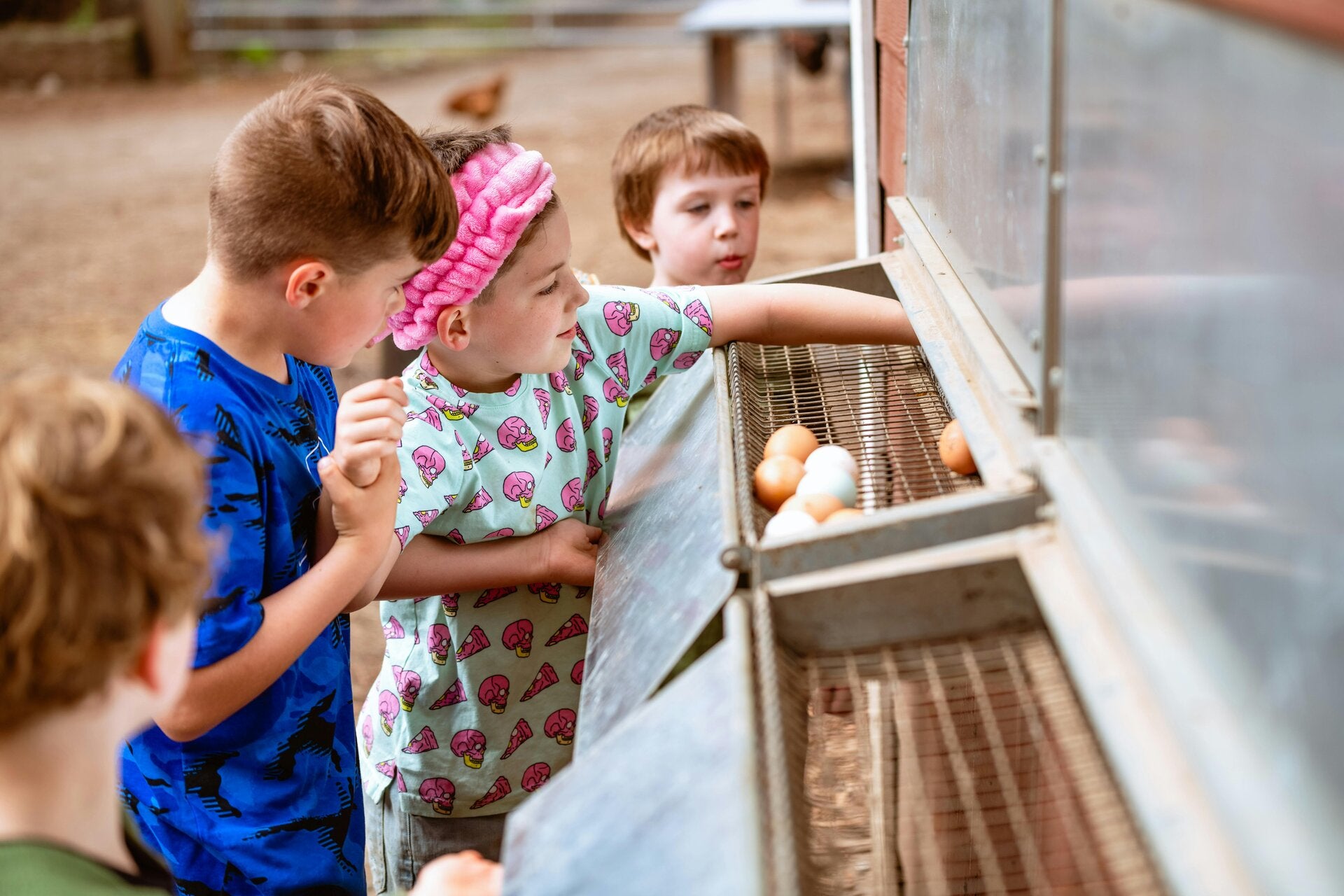
Animal Care: If you have livestock, involve your children in their care. Teach them how to feed, groom, and handle animals safely. This not only builds responsibility but also fosters empathy towards living creatures.
-
Basic Repairs and Maintenance: Show your children how to perform simple repairs around the homestead. Whether it’s fixing a fence or maintaining tools, these skills will serve them well throughout life.
Encourage Creativity
Creativity is essential for problem-solving and innovation. Here’s how to nurture it in your homesteading family:
-
Arts and Crafts: Use natural materials from your surroundings for creative projects. For example, children can create art from leaves, stones, or twigs. This not only sparks creativity but also connects them to nature.
-
Storytelling and Imaginative Play: Encourage your children to create stories or play out scenarios based on their experiences on the homestead. This can be a fun way to process their daily activities and learn from them.
-
Gardening as Art: Allow children to design their own garden plots. This can be a fun way to teach them about plant selection, spacing, and aesthetics while allowing them to express their creativity.
Build Community Connections
Homesteading can sometimes feel isolating, especially for families with young children. Building a community can provide support and friendship. Here are some ways to connect:
-
Join Local Groups: Look for local homesteading or farming groups. These can be great resources for sharing knowledge and experiences. Many communities also host events that are family-friendly.
-
Host Workshops: Consider hosting workshops on skills like canning, gardening, or animal care. This not only builds community but also provides an opportunity for your children to meet peers with similar interests.
-
Participate in Farmers Markets: If you grow produce or craft items, consider selling them at local farmers markets. This can be a fun family outing and a way to teach children about entrepreneurship.
Prioritize Family Time
Amidst the busyness of homesteading, it’s crucial to carve out time for family bonding. Here are some ideas:
-
Family Meals: Make it a point to have meals together as a family. This is a great time to share stories, discuss the day, and enjoy each other’s company.
-
Game Nights: Set aside one night a week for family games. Whether it’s board games, card games, or outdoor activities, this time fosters connection and laughter.
-
Seasonal Celebrations: Celebrate the changing seasons with family traditions. This could be as simple as a harvest festival or a winter solstice gathering. These events create lasting memories and strengthen family bonds.
Practice Patience and Flexibility
Life on a homestead can be unpredictable. It’s essential to practice patience and flexibility as a parent. Here are some tips:
-
Stay Calm During Challenges: When things don’t go as planned, take a deep breath and remain calm. Your children will learn how to handle stress by observing your reactions.
-
Adapt to Change: Be open to adjusting your plans based on weather, animal needs, or other unforeseen circumstances. Teaching children to adapt will prepare them for life’s uncertainties.
-
Celebrate Small Wins: Acknowledge and celebrate the small achievements of your children. This can boost their confidence and motivate them to keep trying, even when faced with challenges.
Conclusion
Parenting in a homesteading environment offers unique opportunities for growth, learning, and connection. By embracing the outdoors, fostering independence, teaching life skills, encouraging creativity, building community connections, prioritizing family time, and practicing patience, you can create a nurturing and enriching environment for your children. Remember, the journey of homesteading is as much about the experiences you share as it is about the skills you teach. Embrace the adventure, and enjoy the beautiful moments that come with raising a family in harmony with nature.
Add comment
Comments