

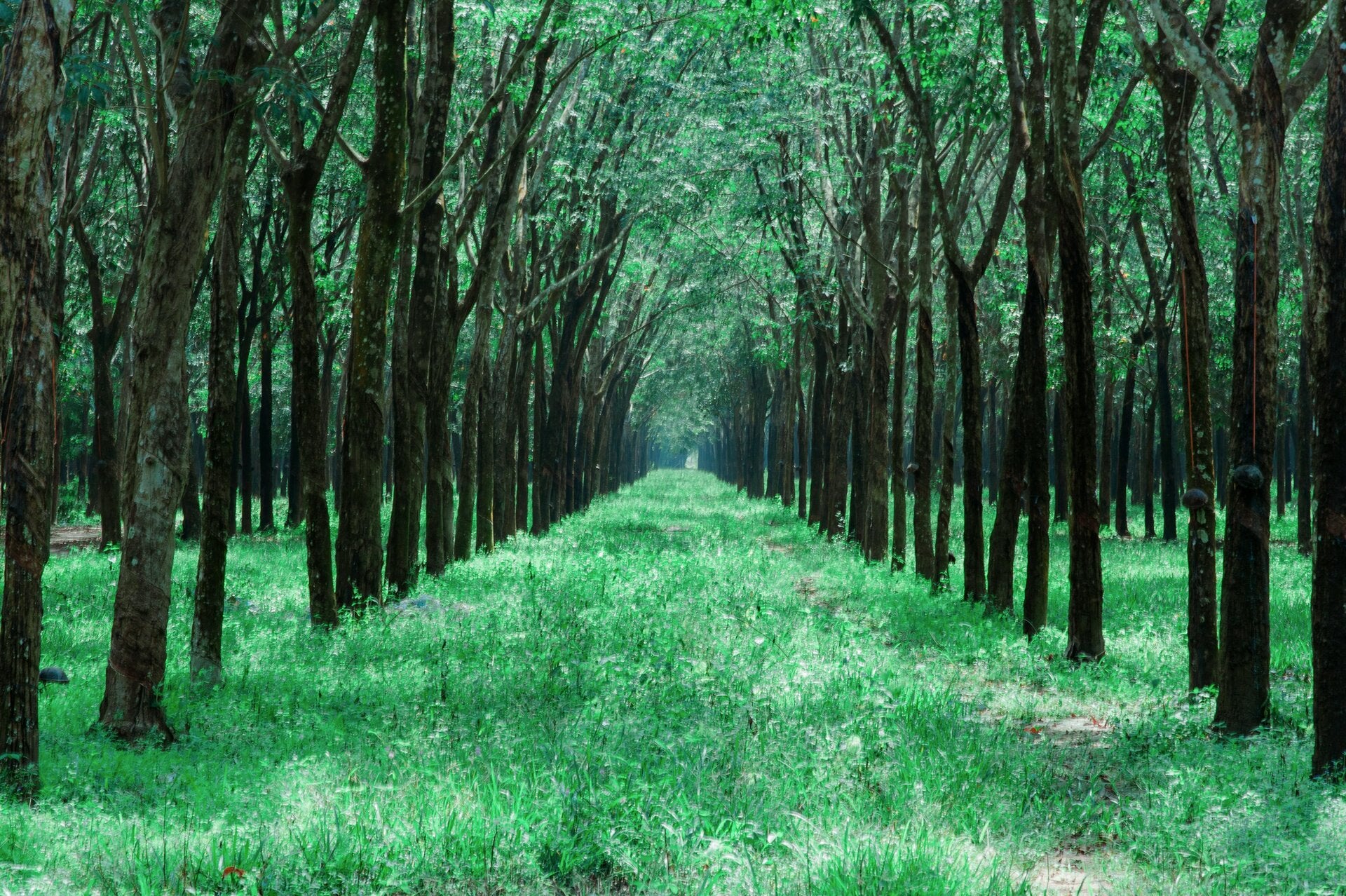
Imagine a garden that grows itself, providing a variety of fruits, nuts, herbs, and vegetables while supporting local wildlife and improving soil health. This is the promise of a food forest. Unlike traditional gardens or farms, food forests mimic natural ecosystems to create a self-sustaining environment that benefits both people and the planet.
Food forests are gaining attention as a practical way to produce food sustainably, reduce environmental impact, and reconnect with nature. This post explains what a food forest is, how it works, and why you should consider creating one in your own space.
What Is a Food Forest?
A food forest is a type of garden designed to imitate a natural forest ecosystem but with plants that provide food for humans. It uses principles from permaculture, agroforestry, and ecology to create a diverse, resilient system.
Key Characteristics of a Food Forest
-
Multiple layers of plants: Food forests have several vertical layers, including tall trees, smaller trees, shrubs, herbs, ground covers, root crops, and vines. Each layer serves a purpose, such as providing food, fixing nitrogen, or attracting beneficial insects.
-
Diversity: Instead of planting a single crop, food forests include many species that support each other. This diversity reduces pests and diseases naturally.
-
Perennial plants: Most plants in a food forest live for several years, reducing the need for replanting and soil disturbance.
-
Natural cycles: Food forests rely on natural processes like nutrient cycling, water retention, and pollination to maintain health.
How It Differs from Traditional Gardening
Traditional gardens often focus on annual crops that require frequent planting, watering, and fertilizing. Food forests, by contrast, emphasize long-term growth and ecosystem balance. They require less maintenance over time and create habitats for wildlife.
How to Build a Food Forest
Creating a food forest takes planning and patience, but the rewards are worth it. Here are the basic steps:
1. Observe Your Site
Spend time understanding your land’s sunlight, soil type, water flow, and existing plants. This helps you choose the right species and design.
2. Design Layers
Plan the vertical layers to maximize space and resources:
-
Canopy layer: Tall fruit and nut trees like apple, chestnut, or walnut.
-
Sub-canopy: Smaller fruit trees such as plums or peaches.
-
Shrub layer: Berry bushes like blueberries or currants.
-
Herbaceous layer: Culinary and medicinal herbs.
-
Ground cover: Plants that protect soil and suppress weeds.
-
Root layer: Edible roots like garlic or carrots.
-
Climber layer: Vines growing on trees or trellises.
3. Prepare the Soil
Improve soil health by adding compost, mulch, and organic matter. Avoid tilling too much to preserve soil structure.
4. Plant and Mulch
Plant your chosen species according to the design. Use mulch to retain moisture and suppress weeds.
5. Maintain and Observe
Water young plants until established. Over time, the system will require less intervention as plants mature and support each other.

Benefits of Having a Food Forest
Food forests offer many advantages that go beyond just growing food. Here are some of the most important benefits:
Environmental Benefits
-
Improved soil health: The diverse plant roots and organic matter build rich, fertile soil.
-
Water conservation: Mulch and plant layers reduce evaporation and improve water retention.
-
Biodiversity: Food forests create habitats for pollinators, birds, and beneficial insects.
-
Carbon sequestration: Trees and plants absorb carbon dioxide, helping fight climate change.
Economic Benefits
-
Reduced food costs: Growing your own fruits, nuts, and vegetables lowers grocery bills.
-
Lower maintenance costs: Once established, food forests need less watering, fertilizing, and pest control.
-
Potential income: Surplus produce can be sold or shared within the community.
Health and Social Benefits
-
Access to fresh, organic food: Food forests provide nutrient-rich produce free from chemicals.
-
Physical and mental well-being: Gardening and spending time in nature reduce stress and improve fitness.
-
Community building: Food forests can become shared spaces that bring people together.
Examples of Food Forests in Action
Several communities and individuals have successfully created food forests with impressive results.
-
The Beacon Food Forest in Seattle, USA: This public food forest spans over seven acres and offers free food to the community while promoting education and sustainability.
-
Martin Crawford’s Forest Garden in the UK: A pioneer in food forest design, Martin’s garden demonstrates how temperate climates can support diverse perennial food systems.
-
Urban food forests in Melbourne, Australia: These projects transform unused urban spaces into productive green areas that improve local food security.
Why You Should Consider Starting a Food Forest
Food forests offer a practical way to grow food sustainably while supporting the environment. Whether you have a small backyard or access to community land, starting a food forest can:
-
Provide a steady supply of fresh, healthy food.
-
Reduce your environmental footprint.
-
Create a beautiful, natural space that attracts wildlife.
-
Teach valuable skills about ecology and gardening.
-
Build connections with neighbors and local food networks.
Even small-scale food forests can make a difference. Start with a few fruit trees and companion plants, then expand as you learn.
Add comment
Comments