


Sourdough baking has surged in popularity, and for good reason. The unique tangy flavor, chewy texture, and natural fermentation process create bread that feels both artisanal and wholesome. But before you can bake that perfect loaf, you need a strong sourdough starter. This living culture of wild yeast and bacteria is the foundation of all sourdough bread. Learning how to make and maintain a sourdough starter unlocks endless possibilities in your kitchen.
This guide walks you through creating your own sourdough starter from scratch, tips for keeping it healthy, and some delicious recipes to try once your starter is ready. Whether you are a beginner or looking to improve your sourdough skills, this post offers practical advice and inspiration.
How to Make a Sourdough Starter
Creating a sourdough starter requires only two ingredients: flour and water. The process relies on capturing wild yeast and beneficial bacteria from the environment and flour to ferment the mixture.
Ingredients and Equipment
-
Flour: Use unbleached all-purpose flour or whole wheat flour. Whole wheat tends to ferment faster due to more nutrients.
-
Water: Use filtered or bottled water to avoid chlorine, which can inhibit fermentation.
-
Container: A clean glass jar or plastic container works well.
-
Spoon or spatula for mixing.
-
Kitchen scale for accurate measurements (optional but recommended).
Step-by-Step Instructions
-
Day 1: Mix 50 grams of flour with 50 grams of water in your jar. Stir until smooth. Cover loosely with a cloth or lid to allow airflow but keep out dust.
-
Day 2: You may see some bubbles, or nothing yet. Discard half the mixture and feed with 50 grams flour and 50 grams water. Stir and cover again.
-
Days 3 to 7: Repeat the discard and feed process every 24 hours. The starter should become bubbly, rise in volume, and develop a pleasant sour smell.
-
Ready to use: When the starter doubles in size within 4 to 6 hours of feeding and has a tangy aroma, it’s ready for baking.
Tips for Success
-
Keep your starter at room temperature (around 70°F or 21°C) for best fermentation.
-
Use a transparent container to watch the bubbles and growth.
-
If you see any pink or orange streaks, discard the starter and start over.
-
Feeding twice a day can speed up the process in warmer climates.
Maintaining Your Sourdough Starter
Once your starter is active, you need to keep it healthy for ongoing baking.
Daily or Weekly Feeding
-
If baking daily, feed your starter once a day.
-
For less frequent baking, store the starter in the refrigerator and feed once a week.
-
Always discard a portion before feeding to keep the acidity balanced.
How to Store Your Starter
-
Room temperature: Feed daily, keep loosely covered.
-
Refrigerator: Feed weekly, cover tightly to prevent drying.
-
Before baking, take the starter out, feed it, and let it become active at room temperature.
Troubleshooting Common Issues
-
No bubbles or rise: Starter may be too cold or needs more time.
-
Strong unpleasant smell: Feed more often or discard some starter.
-
Mold growth: Discard and start fresh.
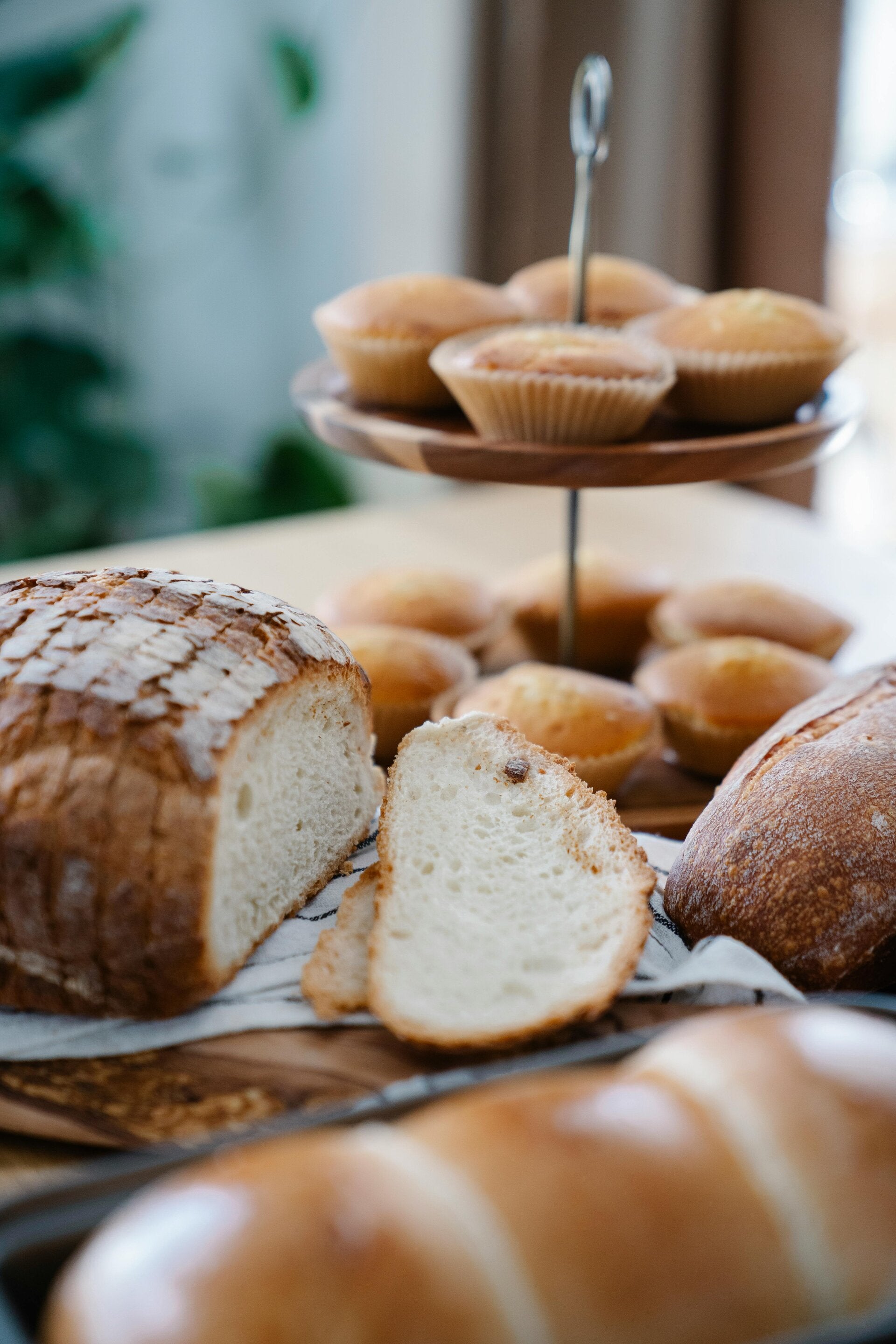
Delicious Sourdough Recipes to Try
Once your starter is ready, you can explore many recipes beyond just basic bread. Here are some favorites to get started.
Classic Sourdough Bread
Ingredients:
-
500 grams bread flour
-
350 grams water
-
100 grams active sourdough starter
-
10 grams salt
Instructions:
-
Mix flour and water, let rest 30 minutes (autolyse).
-
Add starter and salt, mix well.
-
Bulk ferment for 4-6 hours with folds every 30 minutes during the first 2 hours.
-
Shape the dough, proof in a banneton basket for 2-3 hours.
-
Preheat oven with a Dutch oven inside to 450°F (230°C).
-
Bake covered for 20 minutes, then uncovered for 20 minutes until crust is deep brown.
Sourdough Pancakes
Use discard starter to make fluffy pancakes.
Ingredients:
-
1 cup sourdough starter discard
-
1 cup flour
-
1 cup milk
-
1 egg
-
2 tbsp sugar
-
1 tsp baking soda
-
Pinch of salt
Mix all ingredients and cook on a hot griddle until bubbles form, then flip.
Sourdough Pizza Dough
Replace commercial yeast with sourdough starter for a flavorful crust.
Ingredients:
-
300 grams flour
-
180 grams water
-
80 grams sourdough starter
-
1 tsp salt
-
1 tbsp olive oil
Mix, ferment overnight in the fridge, then shape and bake with toppings.
Final Thoughts on Sourdough Starters and Baking
Making your own sourdough starter opens a world of baking possibilities. It takes patience, but the reward is fresh, flavorful bread and baked goods made with natural fermentation. Remember to keep your starter fed and healthy, and experiment with recipes to find your favorites.
Start your starter today, and soon you will enjoy the satisfaction of baking with a living culture that connects you to centuries of tradition. Happy baking!
Add comment
Comments