


Building a chicken coop yourself can save money, provide a safe home for your flock, and give you the satisfaction of creating something useful. Whether you want fresh eggs or simply enjoy raising chickens, a well-built coop is essential. This guide walks you through the key steps to build a sturdy, comfortable chicken coop that suits your needs.
Planning Your Chicken Coop
Before picking up tools, plan the size, location, and features of your coop. Consider how many chickens you want to keep. Each chicken needs about 3 to 4 square feet inside the coop and 8 to 10 square feet in an outdoor run. For example, if you plan to keep six chickens, aim for a coop around 24 square feet and a run of about 60 square feet.
Choose a dry, well-drained spot with some shade. Avoid low areas where water pools after rain. Position the coop so it faces south or southeast to catch morning sun, which helps keep the coop dry and warm.
Decide on materials. Wood is popular for its durability and insulation. Use untreated lumber for the frame and plywood or weather-resistant siding for walls. Wire mesh with small openings (1/2 inch or less) protects chickens from predators while allowing ventilation.
Building the Frame and Floor
Start by building a strong frame. Use 2x4 lumber for the base and walls. A raised floor helps keep the coop dry and deters pests. Build the floor frame about 12 to 18 inches off the ground using sturdy posts or concrete blocks.
Cover the floor frame with plywood or outdoor-grade boards. Add a layer of linoleum or vinyl for easy cleaning and moisture resistance. Make sure the floor is level and secure.
Build the walls by attaching vertical studs to the base frame. Include openings for windows and doors. Windows should have wire mesh to provide light and airflow without letting predators in.
Adding the Roof and Ventilation
A sloped roof prevents water buildup and snow accumulation. Use plywood covered with roofing felt and shingles or metal sheets for weather protection. Extend the roof beyond the walls to keep rain away from the coop.
Ventilation is critical to prevent moisture and ammonia buildup from chicken droppings. Install vents near the roofline on opposite walls to create airflow. Cover vents with wire mesh to keep out pests.
Creating Nesting Boxes and Roosts
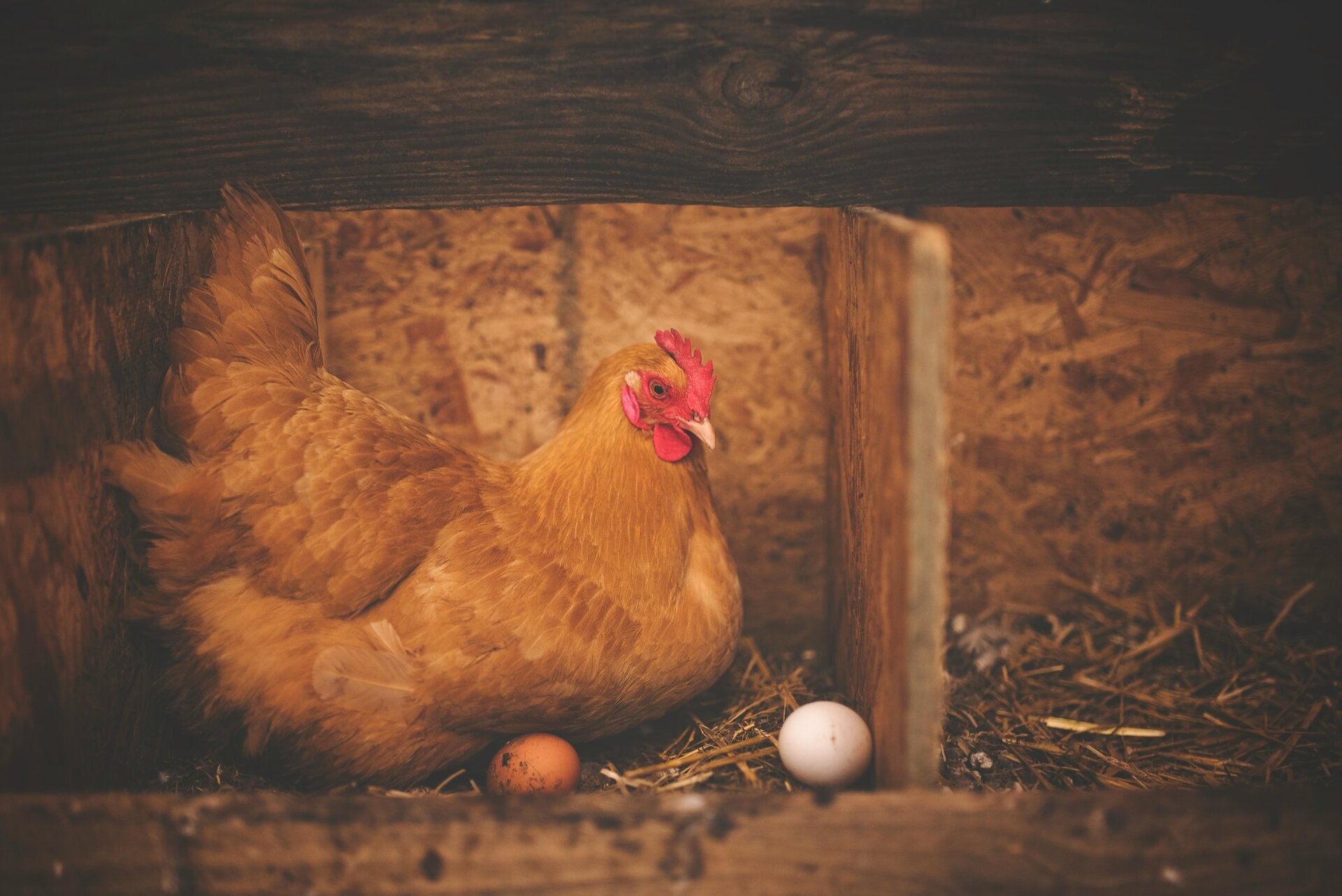
Chickens need a quiet, comfortable place to lay eggs. Build nesting boxes about 12 inches square and 12 to 18 inches deep. Place them 18 to 24 inches off the floor, accessible from outside or inside the coop. Fill boxes with straw or wood shavings for comfort.
We use a mixture of loose straw and nesting pads that our ladies seem to love.
Roosts give chickens a place to sleep off the ground. Use rounded wooden dowels or 2x4s with the wide side up, about 2 inches wide. Position roosts higher than nesting boxes to encourage chickens to sleep there. Allow 8 to 10 inches of roost space per bird.
Securing the Coop and Run
Protect your chickens from predators like raccoons, foxes, and hawks. Use hardware cloth with small openings around the coop and run. Bury the wire mesh 12 inches underground to prevent digging predators.
Install a secure door with a latch that raccoons cannot open. Consider adding a lock or carabiner for extra security. If you have a run, cover the top with wire mesh or netting to keep out aerial predators.
Maintaining Your Chicken Coop
Regular cleaning keeps chickens healthy and reduces odors. Remove droppings and replace bedding weekly. Check for damage to the structure and repair promptly. Keep food and water containers clean and filled.
Inspect the coop for signs of pests like mites or rodents. Use natural deterrents or safe treatments if needed. Good ventilation and dry bedding help prevent many health issues.
First Saturday Lime. It keeps the pests in the coop to a minimum and is worth every penny
Add comment
Comments